Positivism Vs Post Positivism Research Paradigms Explained
When it comes to understanding the world around us, research plays a vital role in helping us make sense of things. Whether you're a student, a professional, or simply someone who's curious about the world, research paradigms can seem like a daunting topic. However, understanding the basics of Positivism and Post Positivism can be incredibly empowering, and can even help you in your everyday life. In this article, we'll explore the benefits and purposes of these two research paradigms, and provide some practical tips on how to apply them effectively.
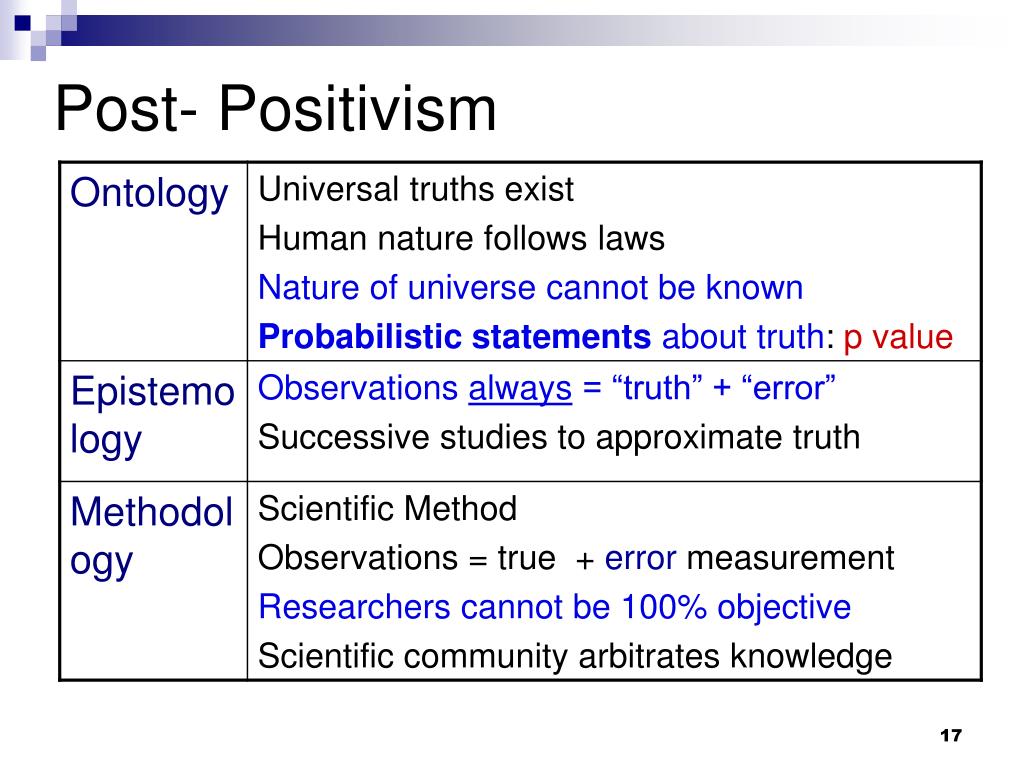
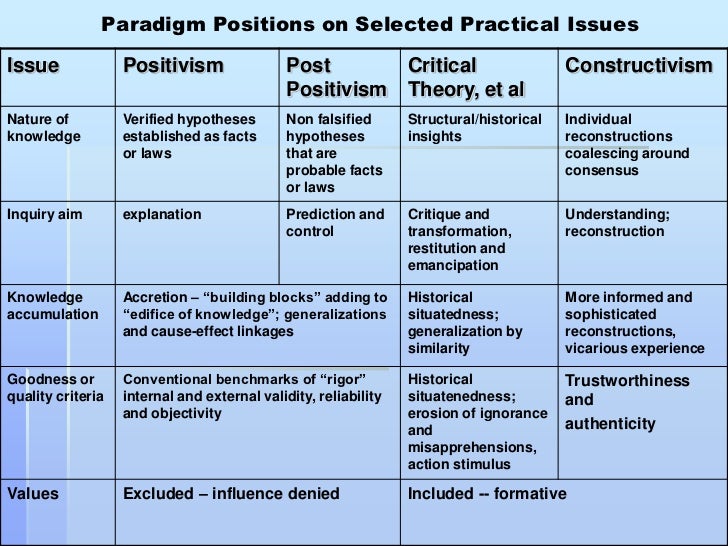
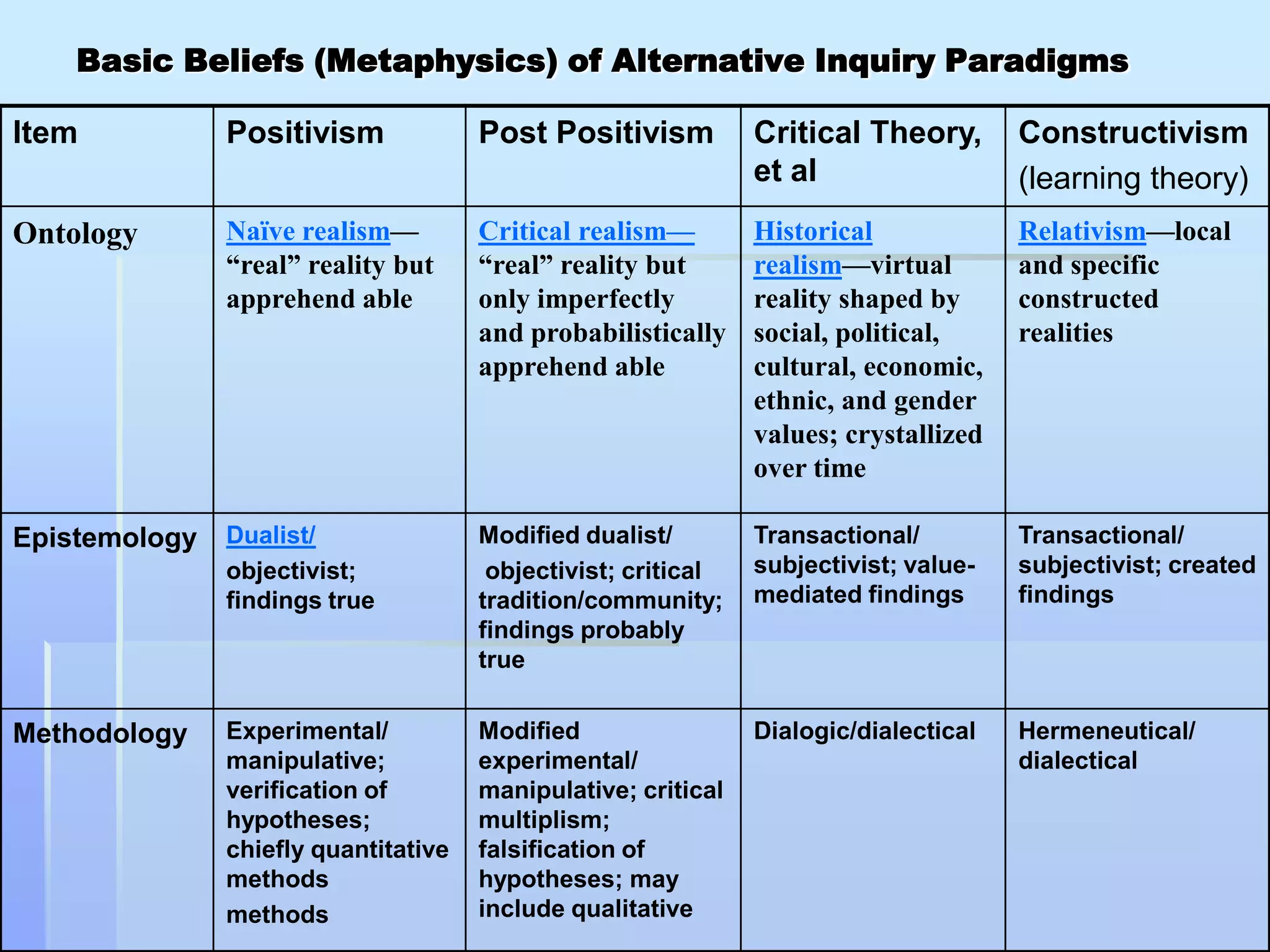
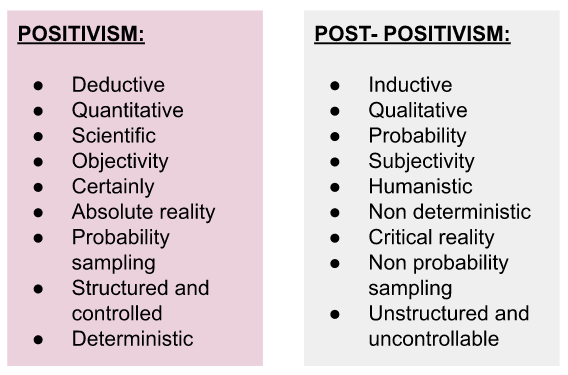
The main purpose of research is to help us understand and explain phenomena, and to develop theories and models that can help us make predictions and informed decisions. Positivism and Post Positivism are two of the most widely used research paradigms, and each has its own unique approach and assumptions. Positivism is based on the idea that the world can be measured and quantified, and that laws and principles can be discovered through observation and experimentation. On the other hand, Post Positivism recognizes that knowledge is subjective and context-dependent, and that research should take into account the social and cultural context in which it is conducted.
So, how do these research paradigms apply to everyday life? Well, Positivism is often used in science and technology, where the goal is to develop theories and models that can be tested and verified. For example, in medicine, Positivism is used to develop treatments and vaccines that can be tested and proven to be effective. On the other hand, Post Positivism is often used in social sciences and humanities, where the goal is to understand complex and nuanced phenomena that cannot be reduced to simple laws and principles. For example, in education, Post Positivism is used to understand how students learn and how teachers can support them in their learning.
Must Read
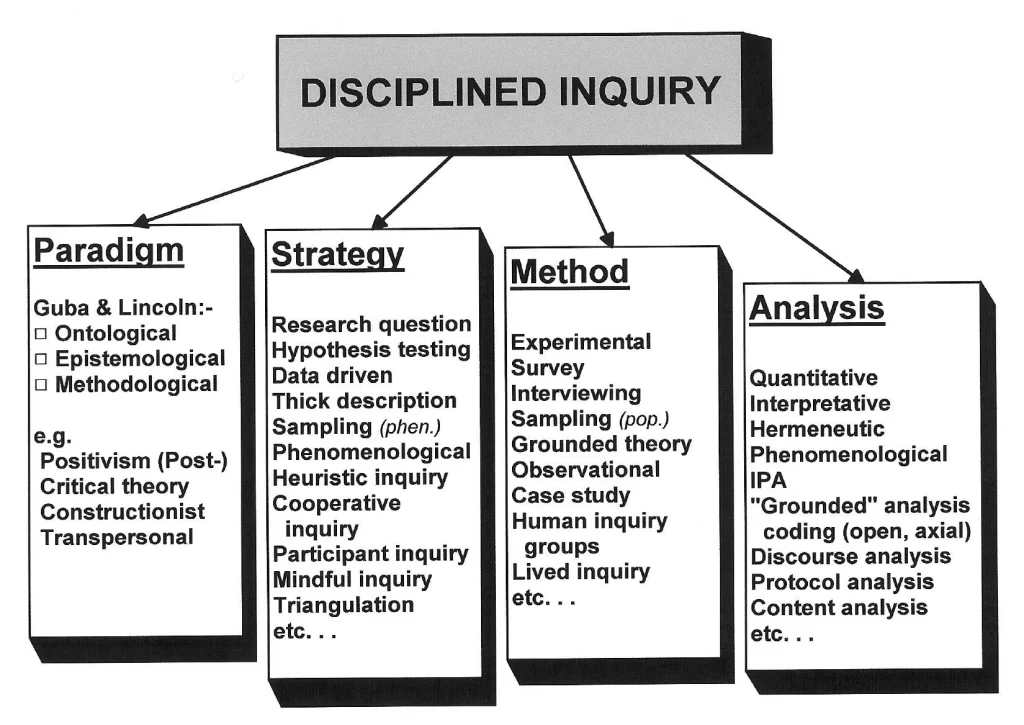
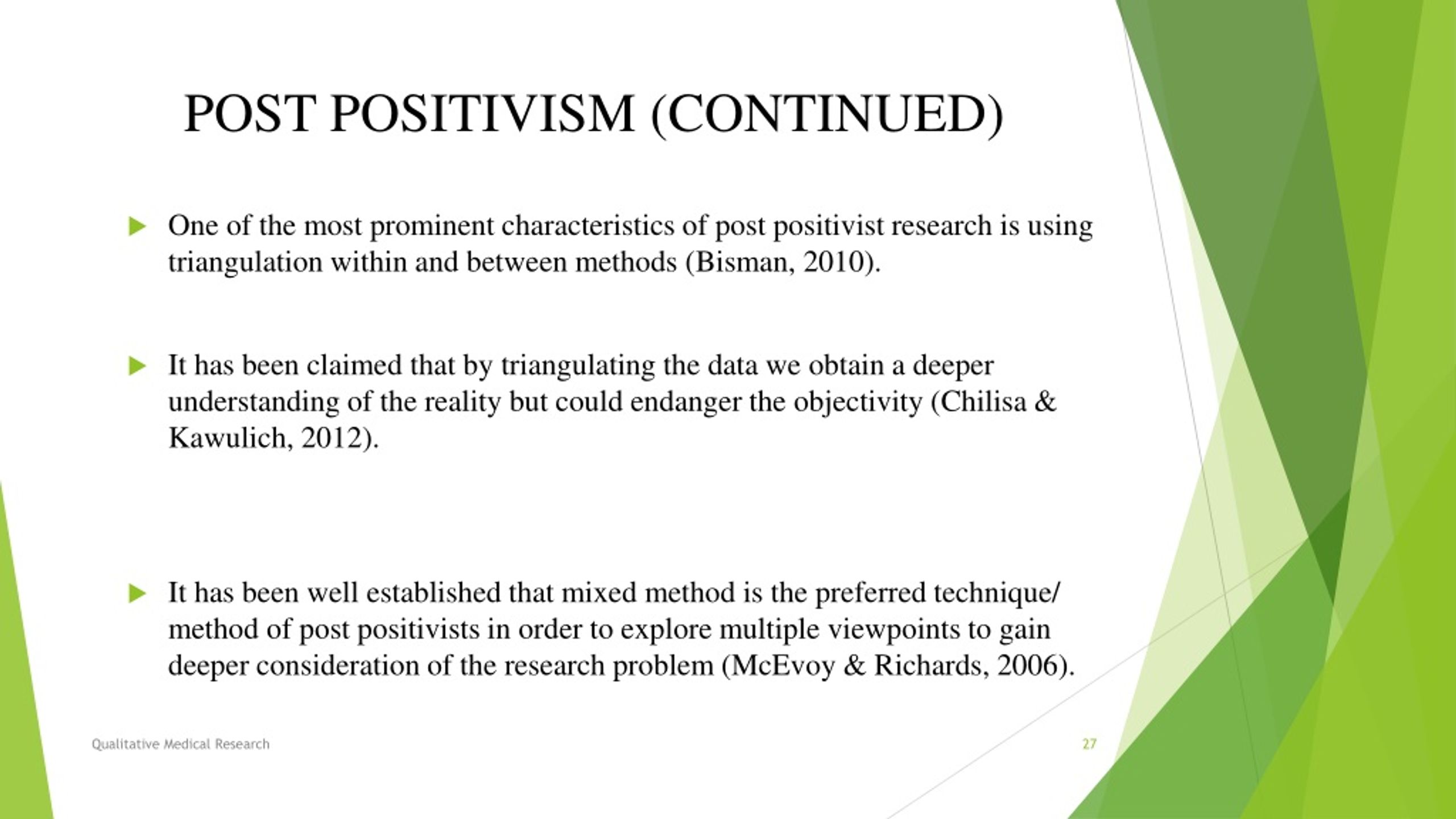
To enjoy research more effectively, here are some practical tips: first, define your research question clearly and concisely, and make sure it is focused and manageable. Second, choose the right research paradigm for your study, depending on the topic and the research question. Third, use a variety of research methods, including both quantitative and qualitative methods, to triangulate your findings and increase their validity and reliability. Finally, be aware of your own biases and assumptions, and try to bracket them as much as possible, in order to increase the objectivity and credibility of your research.
In conclusion, Positivism and Post Positivism are two powerful research paradigms that can help us understand the world around us. By understanding the benefits and purposes of these paradigms, and by applying practical tips and strategies, we can conduct high-quality research that is valid, reliable, and meaningful. Whether you're a student, a professional, or simply someone who's curious about the world, research can be a fun and rewarding activity that can help you learn and grow in many ways.