Positivist/post Positivist Paradigm
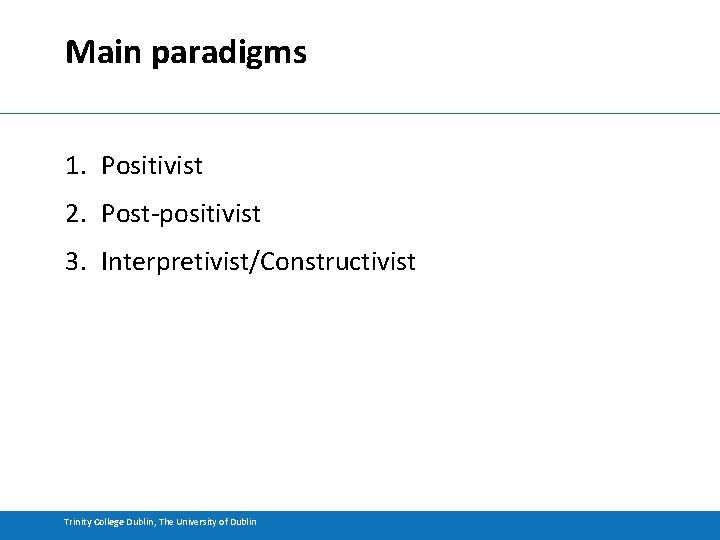
Imagine a world where everything can be explained by science and reason. A world where objectivity reigns supreme, and personal biases are a thing of the past. Welcome to the realm of Positivism, a paradigm that dominated the 19th and early 20th centuries. But, as with all good things, Positivism had its limitations, and soon, a new kid on the block emerged: Post-Positivism. In this article, we'll delve into the fascinating world of these two paradigms, exploring their key concepts, and how they impact our daily lives.
The Positivist Era
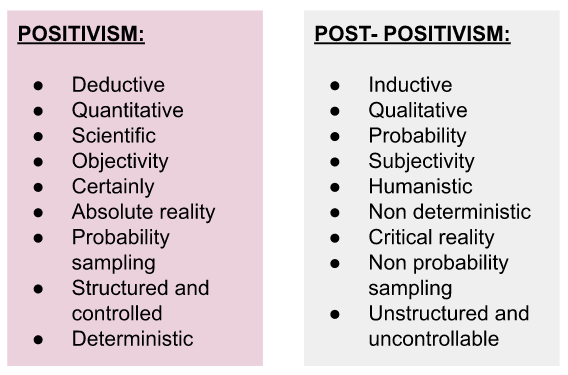
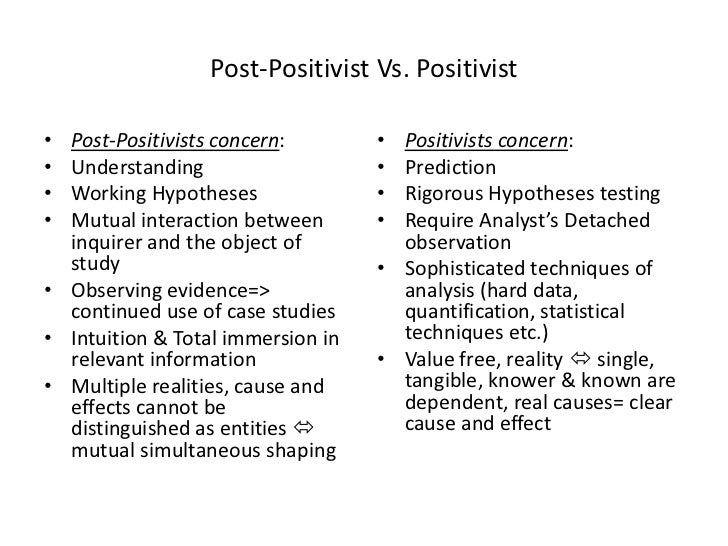
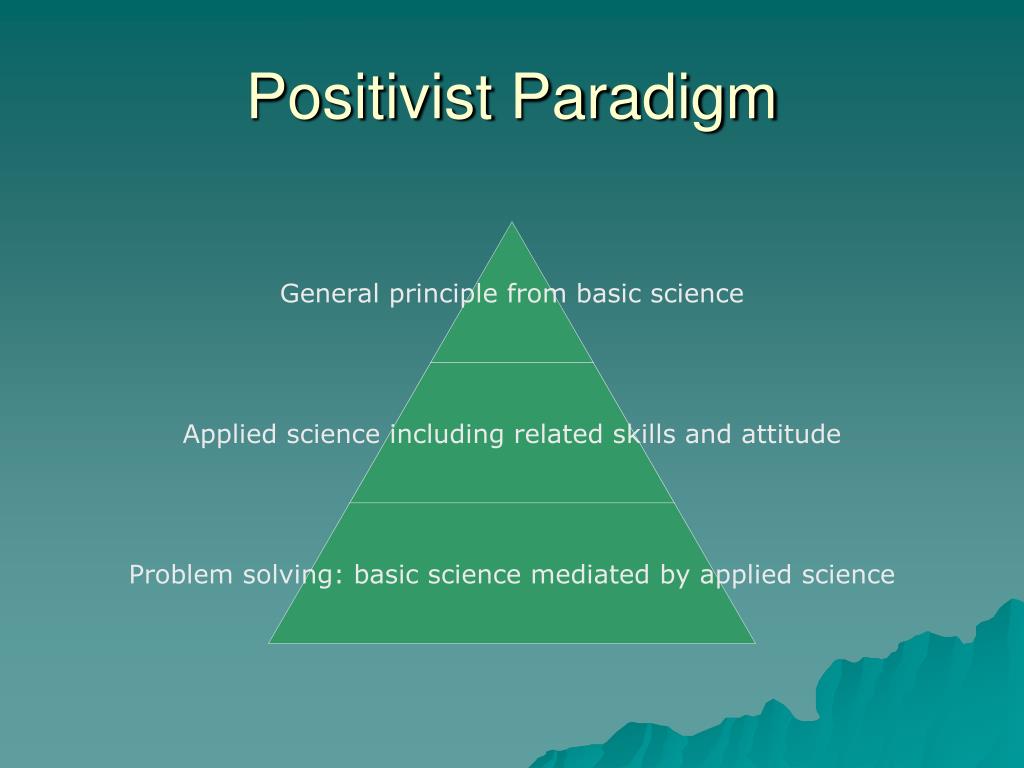
In the mid-19th century, Auguste Comte, a French philosopher, founded Positivism. He believed that scientific observation and experimentation could explain all phenomena, and that social sciences could be studied using the same methods as natural sciences. Positivists sought to understand the world through empirical evidence and logical reasoning, dismissing metaphysics and personal opinions as irrelevant. Think of it like a C.S.I. episode, where everything can be explained by science and technology.
Positivism had a significant impact on Western philosophy and social sciences, influencing thinkers like Émile Durkheim and Karl Marx. It also led to significant advancements in science and technology, as researchers sought to understand the world through objective and systematic methods. However, as time passed, critics began to argue that Positivism was too narrow and restrictive, ignoring the complexities of human experience and the role of subjectivity.
Must Read
The Post-Positivist Revolution
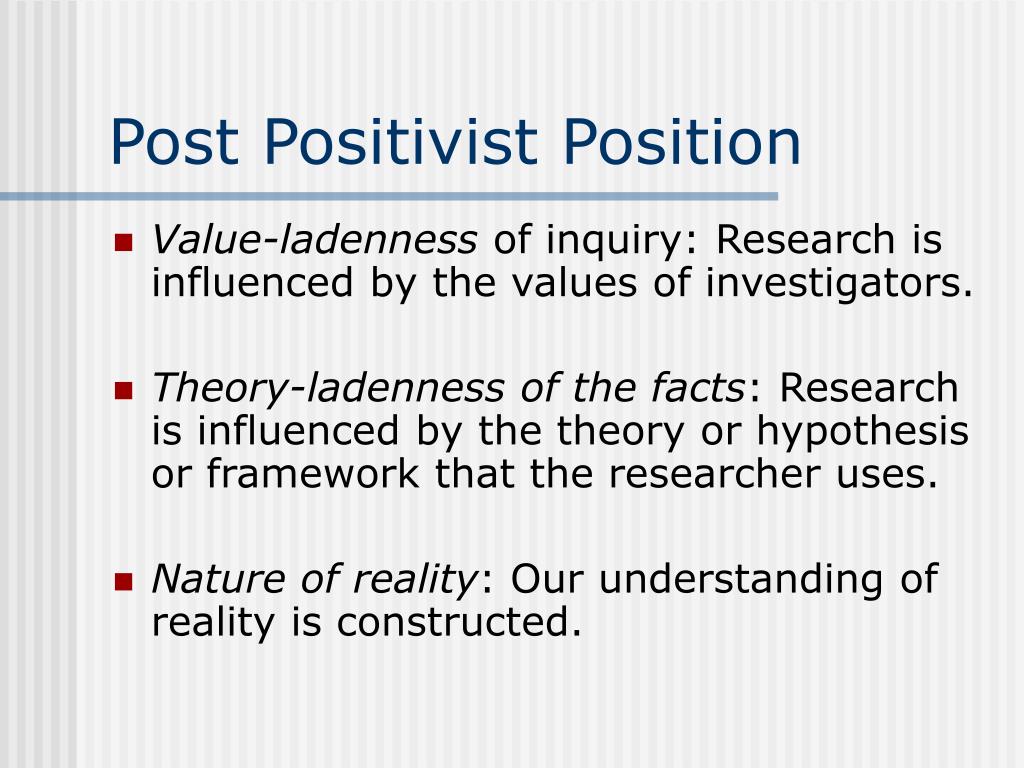
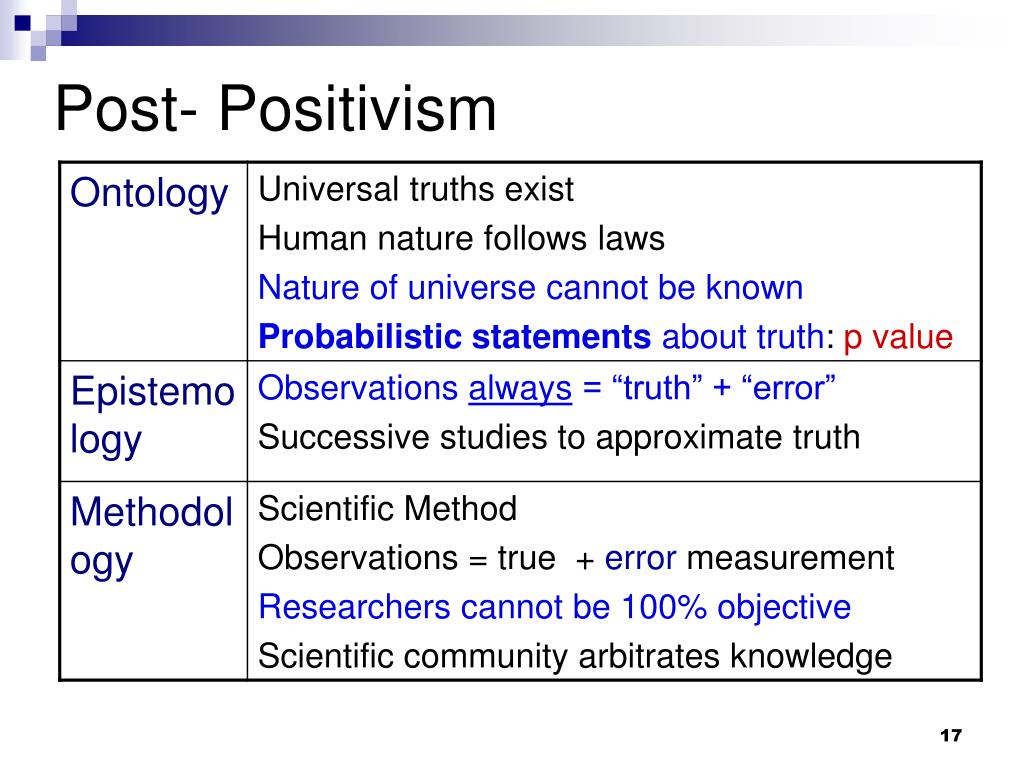
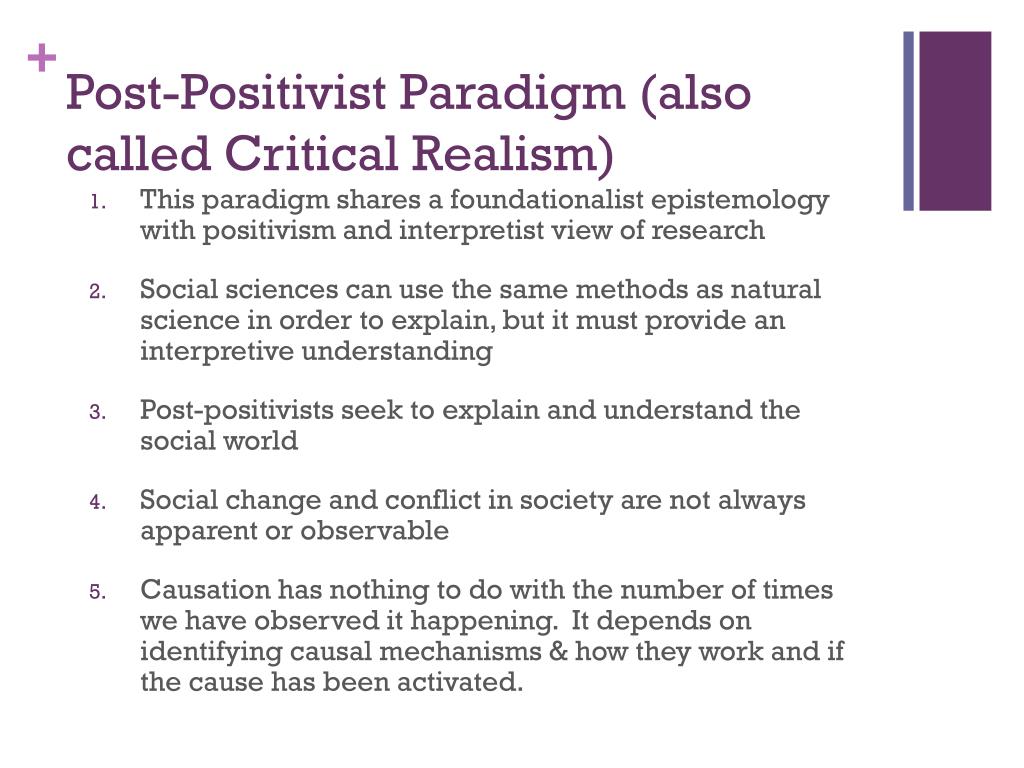
In the mid-20th century, a new paradigm emerged: Post-Positivism. This movement, led by thinkers like Thomas Kuhn and Paul Feyerabend, challenged the idea that objectivity is the only way to understand the world. Post-Positivists argued that knowledge is always subjective and context-dependent, and that personal biases and cultural influences play a significant role in shaping our understanding of reality. Think of it like a Game of Thrones episode, where multiple perspectives and interpretations are possible.
Post-Positivism had a profound impact on social sciences and humanities, leading to a greater emphasis on interpretive methods and qualitative research. It also influenced fields like anthropology and sociology, where researchers began to study culture and social structures as complex, dynamic systems. However, some critics argue that Post-Positivism has led to relativism and a lack of objectivity, making it difficult to distinguish between fact and opinion.

Practical Tips and Takeaways
So, how can we apply the insights of Positivism and Post-Positivism to our daily lives? Here are a few practical tips: be aware of your biases and try to consider multiple perspectives; use empirical evidence to inform your decisions, but also recognize the limitations of science; and embrace the complexity of human experience, acknowledging that subjectivity and context play a significant role in shaping our understanding of reality.
For example, when evaluating news sources or scientific studies, look for objective evidence and peer review, but also consider the authors' biases and cultural context. When engaging in debates or discussions, try to listen actively and consider alternative perspectives, rather than simply asserting your own opinion. By embracing the insights of both Positivism and Post-Positivism, we can become more nuanced thinkers and more effective communicators.
Reflections and Connections
As we reflect on the Positivist and Post-Positivist paradigms, we're reminded that knowledge is always provisional and subject to revision. We're also reminded that human experience is complex and multifaceted, and that objectivity and subjectivity are intertwined. In our daily lives, we can apply these insights by staying curious, seeking out diverse perspectives, and embracing the complexity of the world around us.
As the ancient Greek philosopher Aristotle once said, "It is the mark of an educated mind to be able to entertain a thought without accepting it." By embracing the principles of Positivism and Post-Positivism, we can become more educated minds, better equipped to navigate the complexities of our rapidly changing world. So, the next time you're faced with a difficult decision or a contentious debate, remember to consider multiple perspectives, seek out empirical evidence, and stay humble in the face of uncertainty.