Substituting Dry Parsley For Fresh
When it comes to cooking, fresh herbs can make all the difference in the flavor and aroma of a dish. However, sometimes fresh parsley may not be available, or you may not have the time to run to the store to grab some. This is where dry parsley comes in - a convenient and shelf-stable alternative that can be used as a substitute in many recipes. In this article, we'll explore the benefits and uses of substituting dry parsley for fresh parsley.
The Purpose and Benefits
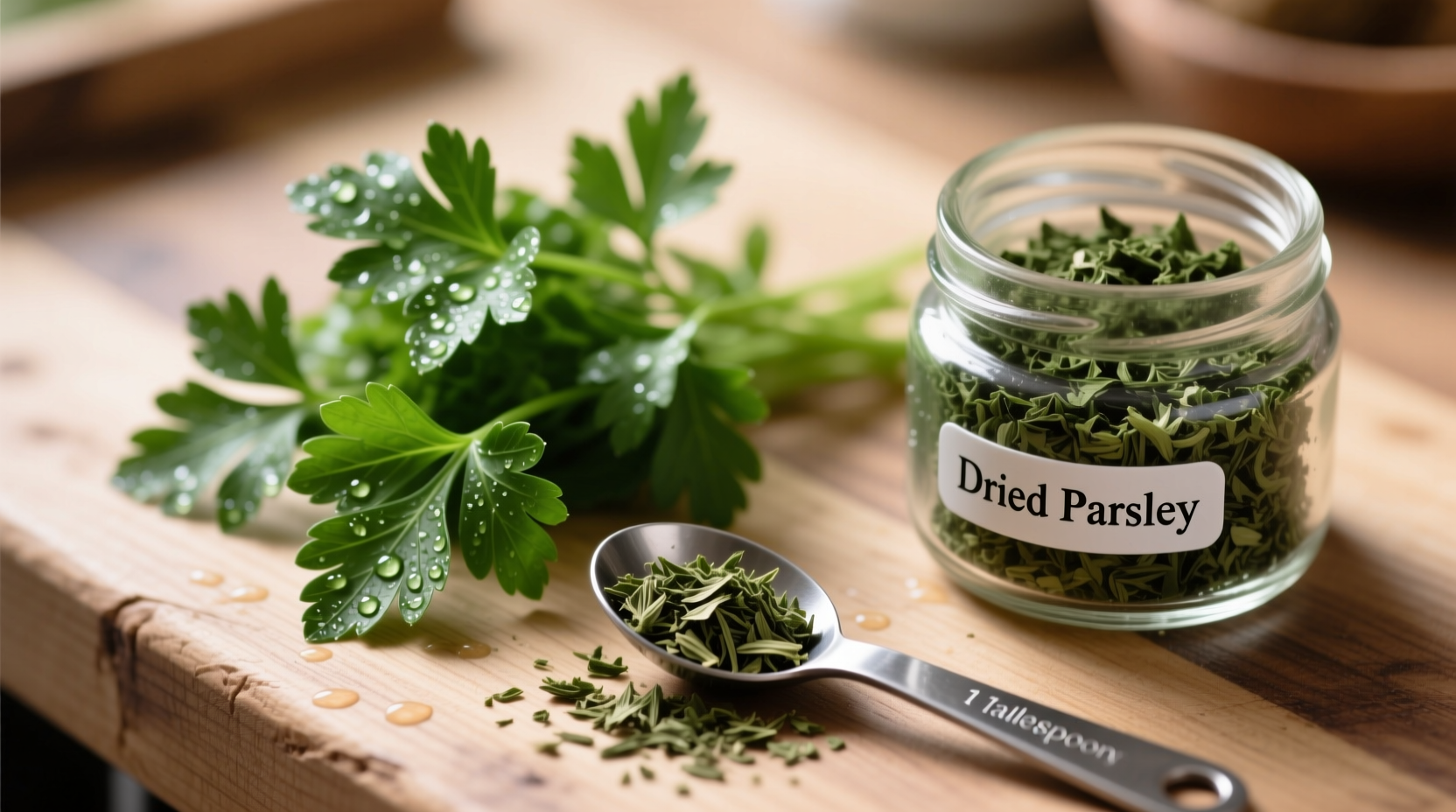
The main purpose of using dry parsley is to add a similar flavor and aroma to a dish as fresh parsley would. Dry parsley is made by drying fresh parsley leaves, which helps to preserve the herb and give it a longer shelf life. One of the benefits of using dry parsley is that it is much more convenient than fresh parsley. You can store it in your pantry for months, and it's always ready to use. Additionally, dry parsley is often cheaper than fresh parsley, making it a great option for those on a budget.
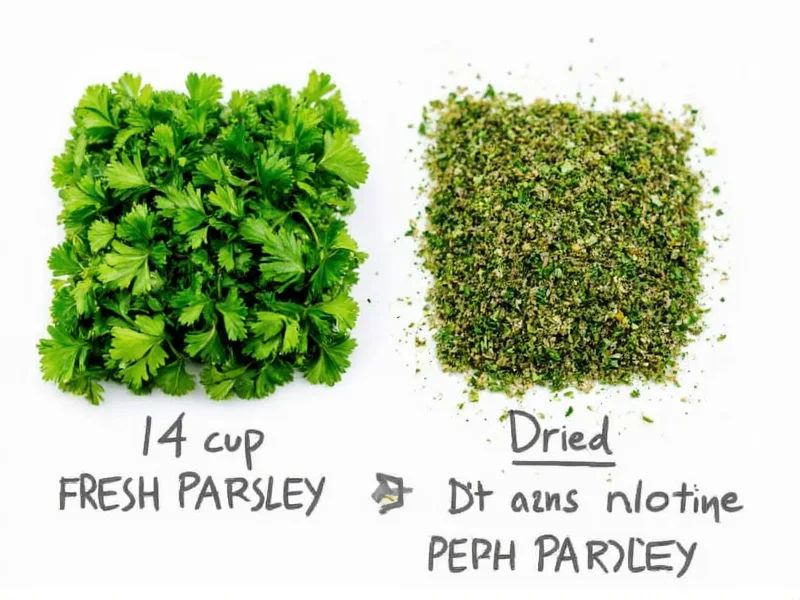
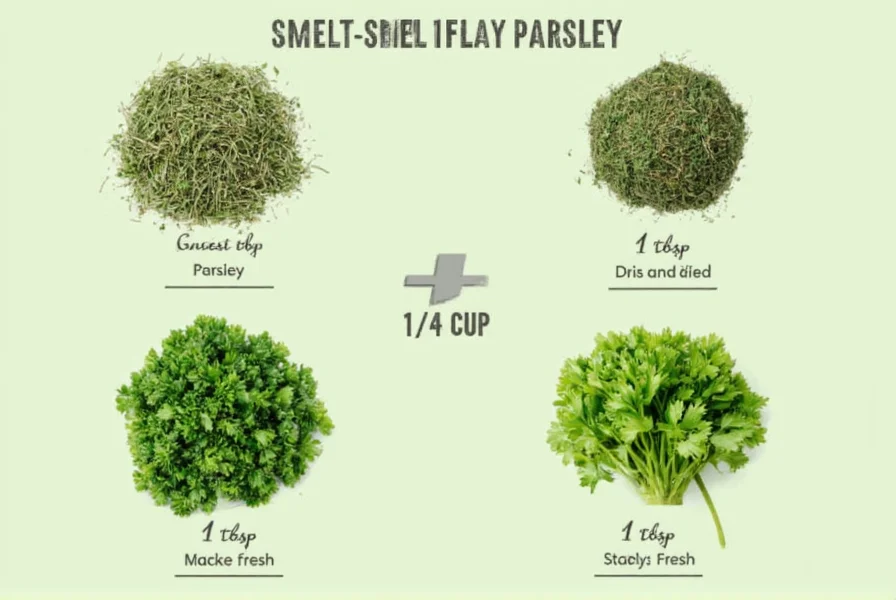
When substituting dry parsley for fresh parsley, a general rule of thumb is to use one-third the amount of dry parsley as you would fresh parsley.This is because dry parsley is more concentrated than fresh parsley, so you need less of it to get the same flavor. For example, if a recipe calls for 1 tablespoon of fresh parsley, you would use about 1 teaspoon of dry parsley instead.
Must Read
Uses for Dry Parsley
Dry parsley can be used in a variety of dishes, from soups and stews to salads and sauces. It's a great addition to Italian and Mediterranean cooking, and can be used to add flavor to dishes like pasta sauces, meatballs, and roasted vegetables. You can also use dry parsley to make a delicious herb butter by mixing it with softened butter and a squeeze of lemon juice.
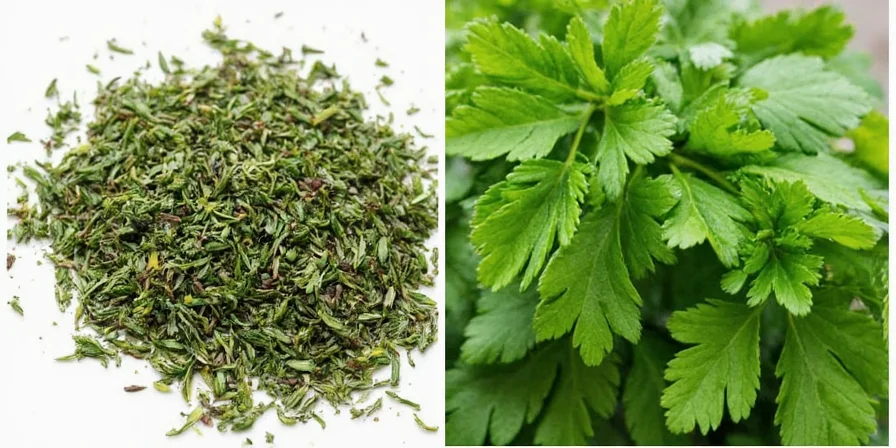
Cooking tips and tricks are always useful, and when it comes to using dry parsley, there are a few things to keep in mind. Firstly, make sure to store your dry parsley in an airtight container to keep it fresh. Secondly, don't be afraid to experiment with different amounts of dry parsley to find the flavor you like best. And finally, consider combining dry parsley with other herbs and spices to create unique and delicious flavor combinations.
In conclusion, substituting dry parsley for fresh parsley is a great way to add flavor and convenience to your cooking. With its long shelf life and ease of use, dry parsley is a great option for home cooks and professional chefs alike. So next time you're in a pinch and don't have fresh parsley on hand, don't be afraid to reach for the dry parsley instead. Your taste buds will thank you!